»  Tim Schafer’s History of Videogames Adventure

You may have heard of him. No? Well, sc**w you! Because, err, you should.

Tim Schafer’s video mini autobiography for Gamespot. Must see for all those that have enjoyed any/all of Day of the Tentacle, the original two Monkey Island games, Full Throttle, Grim Fandango or his later creations at Double Fine Productions.

comments


2011.07.04

Collaborative. Digital. Action!

In 2008 Canon released the EOS 5D Mark II. This was the successor to the synonymous (Mark I) camera that made full-frame DSLRs accessible to people unwilling to spend a small fortune to get one — the EOS 1Ds usually costs around $8,000 when a new revision of it is released.

But it was also the beginning of a revolution that went well beyond still photography, redefining an ‘art’ that was, until then, totally barred to mere mortals; a revolution in cinematography. 5D Mark II, and a year later 7D, featured HD video recording capabilities with quality that rivalled that of high-end professional digital camcorders. Canon had a winner in their hands, even though, by their own admission, they never meant to create a tool for cinematographers, but allow photojournalists to take short videos. Many of the limitations of the 5D Mark II were removed by community firmware, such as Magic Lantern and Canon itself paid some more attention to later versions of the official firmware as well as the 7D.

An increasing number of (largely independent) cinematographers choose DSLRs to shoot shorts or complement the production of features. They’ve got the flexibility, the lenses, the features and the quality. Sure, there are still missing features and you wouldn’t expect a 5D Mark II to replace RED or the higher-end cameras out there, but for stuff that remain within the limits of HD they’ll do just fine — with superb results. The increased power of software in post (for syncing, grading, etc.) largely negates them.

The HDSLR (a misnomer that has somehow prevailed since 5D Mark II appeared in 2008) revolution is a bottom-up phenomenon; Canon never intended or expected it to happen. But the company is not standing idly by. In 2010 they commissioned a collaborative film contest titled ‘The Story Beyond the Still’, whereby different people collaborated by filming/producing a single chapter in a six chapter story. The winners were picked by a commercial Los Angeles-based director, Vincent Laforet, the film was edited and the final cut appeared in the famous Sundance Film Festival (and, of course, Vimeo) in January 2011. You can watch the final, complete film here (or below); despite the fact that the characters are played by different actors in each chapter, that they were completely shot using Canon EOS 5D Mark II and 7D cameras, despite the fact that this is not a high-budget production, that it is the result of a collaborating community and not the work or vision of a single person, makes it — at least in my eyes — a unique achievement.

But it is much more than that; it is a prime example of how technology is making moviemaking accessible to a much larger number of people. We live at a time where anyone can cheaply create professionally looking films on a shoestring budget, distribute them for free on a website like Vimeo. Films that are artistic expressions in the truest sense, totally unrelated to the laws of the market, totally untouched by commercial concerns of profit, censorship or the star system. Films that compete on those classic values that made early cinema so intriguing, rather than the annoying techdemo exhibitions that define modern Hollywood.

Beyond The Still is not such a film. It is by no means a masterpiece, it doesn’t try to be and it probably couldn’t ever be one. It is, however, a fantastic example of what is possible with modern, accessible technology, love for film making and a collaborative spirit. It is proof that in 2011 independent film makers have little to be jealous of their commercial counterpartsm especially when it comes to the most fundamental aspects of film making: cameras, editing and distribution. I, for one, am looking forward to a world with more independent films, of higher production quality and fewer ‘stars’. Vimeo, and apparently Canon, seem to agree — even if their immediate goal fully remains within the realm of profitability.

You can watch the 38 minute film below.

comments

2011.03.16

Projection Mapping!

Last year was arguably the year that made Projection Mapping known to the ‘masses’. Ok, not the masses, but quite a lot of people. This is a technique whereby projectors are positioned in front of existing physical objects whose 3d form has been mapped in software, allowing the projected ‘video’ (graphics) sequences to make use of it to create unbelievably cool effects. The end-result is a blurring of real and projected, an unbelievable sight, similar to that of seeing a hologram for the first time =)

The ‘effect’ has been part of artists and advertisers (luckily people of exceptional skill and æsthetics — something quite rare) and it has livened up what has traditionally be works of arguable value. I’d normally say here that I hope this will stay within the realm of competent, æsthetically coherent people, but I’m sure that hip ‘video artists’ that are content with repeatedly playing back short sequences of video or projecting triangle meshes on screens as well as moronic advertisers will find out sooner rather than later and make projection mapping the tool for unprecedented kitsch experiences. You still have time to watch some impressive examples of the technique below.


»

comments


»  Divergent Thinking

With the occasion of the University of Cambridge planning to raise the tuition fees to home/EU students to £9K/year, and the increasingly flawed, purely economics-based view of education, here’s another one of the RSAnimate sketches, based on a lecture by (Sir) Ken Robinson.

1 comments

»  That Parade of Clichés that we call Cinema

Excellent, albeit over-the-top. But so are most Hollywood productions anyway. I mean over-the-top, not excellent. =)

1 comments


2009.11.12

Οπτικοακουστικό Αρχείο ΕΡΤ — Μέρος Δεύτερο

Τον Δεκέμβριο του 2007, έγραψα ένα άρθρο με τίτλο ‘Οπτικοακουστικό Αρχείο ΕΡΤ’. Ο λόγος ήταν η τεράστια σημασία του εγχειρήματος, τόσο για εμένα, όσο και για εκατομμύρια συμπολίτες μου αλλά και για την ευρύτερη σημασία της διάθεσης του αρχείου, μιας μοναδικής κληρονομιάς και μέρος της ιστορίας αυτού του τόπου.

Παρά τη θετική άποψή μου για την προσπάθεια αυτή όμως, και αγνοώντας — έστω προσωρινά — τις βασικότερες ανησυχίες μου σχετικά με την ιδιοκτησία ενός τόσο σημαντικού έργου από μια ιδιωτική, ως επι το πλείστον, επιχείρηση, βασικές μου ενστάσεις — και ο λόγος για τον οποίο το άρθρο αποτέλεσε σημαντικό εφόδιο στην κριτική του έργου από αρκετούς — αποτέλεσαν αφ’ενός η επιλογή ενός κλειστού φορμά διάθεσης του αρχείου στο κοινό (WMV) και ο αποκλεισμός λειτουργικών συστημάτων όπως το GNU/Linux και τα διάφορα BSDs από τον κατάλογο των υποστηριζόμενων συστημάτων χρήσης του αρχείου και αφ’ετέρου η διάθεση του υλικού σε ιδιαίτερα χαμηλή ποιότητα.

Reel To Reel RecorderΣήμερα, κι ενώ είχα για πολύ καιρό αποφύγει την επίσκεψη στον δικτυακό τόπο, επέστρεψα και διαπίστωσα πως το υλικό πλέον παρέχεται σε video κωδικοποιημένο με Sorenson (h.263), υπο μορφή αρχείου flv και μέσω flash player· η αλλαγή είναι σίγουρα ευπρόσδεκτη καθώς οι περισσότεροι φυλλομετρητές υποστηρίζουν flash. Αγνοώ γιατί δεν επελέχθη το h.264 καθώς παρέχει σαφώς καλύτερη απόδοση στο ίδιο εύρος ζώνης, αλλά επιπλέον γιατί η ποιότητα του υλικού παραμένει τραγική· φαντάζομαι πως βασικός λόγος δεν είναι το bandwidth ή το κόστος, αλλά κυρίως η αποτροπή “παράνομης” χρήσης του υλικού δίχως την άδεια της ΕΡΤ (παρά το γεγονός πως το λογότυπο της ΕΡΤ δεσπόζει, ως υδατογράφημα, στο αριστερό μέρος του κάδρου). Δυστυχώς το τελικό αποτέλεσμα κάνει την θέαση του υλικού δύσκολη και κουραστική και το εγχείρημα σαφώς λιγότερο επιτυχές.

Ελάχιστα φαίνεται να έχει κατανοήσει η ΕΡΤ, δύο σχεδόν χρόνια μετά την πρώτη παρουσία του αρχείου στο διαδίκτυο, τη σημασία της διάθεσης του υλικού αυτού. Ελάχιστα φαίνεται να έχει ασχοληθεί με διεθνείς αντίστοιχες προσπάθειες, όπως αυτές του βρετανικού BBC, του αμερικάνικου PBS, το Hulu και άλλες, που θέλουν το internet να αντικαθιστά τόσο την ψηφιακή επίγεια τηλεόραση όσο και — σε μεγάλο βαθμό — άλλα οπτικά μέσα αποθήκευσης video υψηλής ευκρίνειας. Μπορεί το βάρος της ευθύνης να μη πέφτει μόνον στην ΕΡΤ αλλά να σκιαγραφεί μια γενικότερη αστοχία της ελληνικής διαδικτυακής ‘κοινότητας’ (βλ. έλλειψη ενός γρηγορότερου εθνικού δικτύου, κακή διείσδυση ευρυζωνικών συνδέσεων, χαμηλή ποιότητα υπηρεσιών, χαμηλό ενδιαφέρον για νέες τεχνολογίες κ.ο.κ.), όμως ως ο φορέας υλοποίησης και ο αυτοδιορισμένος — λόγω κακής νομοθετικής ρύθμισης — ‘αρχειοφύλακας’ της σύγχρονης ελληνικής ιστορίας η ΕΡΤ φέρει μεγάλο μέρος της ευθύνης.

Reel recorder by William A. Franklin/Flickr. Licensed under Creative Commons.

1 comments

2009.05.23

Why Desktop Linux Sucks

“…And what can we do about it”. Linux usability (and the sorry state of desktop linux) has become a staple of this blog, but bear with me for a bit. Here’s a video by Bryan Lunduke from the Linux Action Show with reasons why the linux desktop still sucks for many (most) users. This comes from someone that like linux and wants to see it succeed; most of the stuff mentioned is pretty valid criticism that touches upon the lack of cohesion, regressions, QA and many other aspects of modern linux distributions.

1 comments


»  Hard Drive Data Recovery Talks

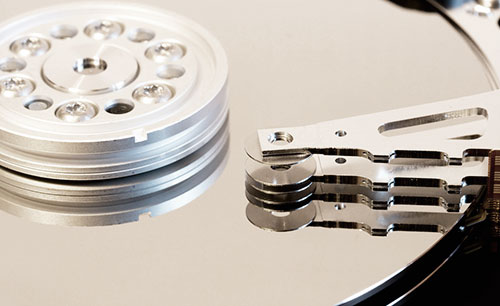
Open hard drive

Excellent talks on hard drive data recovery by computer forensics and data recovery specialist Scott Moulton, for those that feel confident messing with their hardware. Extremely informative and very useful especially in those cases where you’d like to salvage your data from a broken drive, but don’t want to shell out ~€2,000 for a professional data recovery company to do it.

Two lectures, one from DEFCON 14 (2006) and another from 15 (2007). There’s some overlap, but they’re both interesting to watch nevertheless. Around 45 minutes each.

Hard Drive Recovery (at DEFCON 14): Parts 1, 2, 3, 4, 5
Advanced Hard Drive Data Recovery (at DEFCON 15): Parts 1, 2, 3, 4, 5

Image by Flickr/Roberto F. Used under Creative Commons BA-NC-ND licence

comments

Download Spinalonga's Podsafe rock music for your podcast. From Athens, Greece, with love.'